Mental Health 

Personal Helpers and Mentors 

What is the Personal Helpers and Mentors Service?

The Personal Helpers and Mentors (PHaMs) service:

  • aims to provide increased opportunities for recovery for people whose lives are severely affected by mental illness
  • takes a strengths-based, recovery approach, and
  • assists people aged 16 years and over whose ability to manage their daily activities and to live independently in the community is impacted because of a severe mental illness.

The Personal Helpers and Mentors, employed by each service provider, support participants in their recovery journey, building long-term relationships and providing holistic support. They ensure that services accessed by participants are coordinated, integrated and complementary to other services in the community. A Personal Helper and Mentor:

  • helps participants to better manage their daily activities and reconnect to their community
  • provides direct and personalised assistance through outreach services
  • provides referrals and links with appropriate services such as drug and alcohol and accommodation services
  • works with participants in the development of Individual Recovery Plans which focus on participants' goals and recovery journey
  • engages and supports family, carers and other relationships, and
  • monitors and reports progress against each participant's Individual Recovery Plan.

[ top ]

Who is eligible to participate?

A person does not need to have a formal clinical diagnosis of a severe mental illness to be able to access the service.

Personal Helpers and Mentors assist people aged 16 years and over whose ability to manage their daily activities and to live independently in the community is impacted because of a severe mental illness.

Potential participants are required to reside in the postcodes allocated in each site. Service providers will have strategies to engage those who are homeless or transient within each site.

Eligibility criteria

To be eligible for PHaMs a person must:

  • Be 16 years of age or over.
  • Score 3 or more on the Eligibility Screening Tool (EST) assessing the impact of mental illness alone.
  • Be willing to participate in the service voluntarily and able to make an informed decision to participate.
  • Complete the FaHCSIA provided data transfer consent form.
  • Be willing to address any dual diagnosed/co morbid drug and alcohol issues during the course of participation on the program.
  • Reside in the postcodes allocated for your particular site*.
  • Not be restricted in their ability to fully and actively participate in the community because of their residential setting.
  • Not be receiving or entitled to receive non-clinical community support similar to PHaMs through the state or territory government as a result of their detention or incarceration.

Note: Criterion 1, 2 and 6 do not apply to designated remote service sites.

*Note: People who are homeless are automatically eligible for PHaMs in your site (provided eligibility criteria other than living in the correct postcodes are met).

[ top ]

What if I am not eligible?

Where a Personal Helper and Mentor service provider is not able to provide support to a person, the Department's expectation is that service providers could identify, and provide the person with information on any other relevant services within the community that may be able to support the person. The service provider may also initiate a referral to another service, if applicable.

How do I locate a Personal Helper and Mentor service provider?

  • How do I access Personal Helpers and Mentors?
  • Postcode locator
  • What if my postcode is not covered?
  • How were the sites selected?

Personal Helpers and Mentors Brochures and Fact Sheet

[ top ]

Personal Helpers and Mentors Guidelines and Resource Kit

Full details at: PHaMs Operational Guidelines and PHaMs Resource Kit

Remote Servicing Model

What is the remote servicing model?

Many communities in remote areas are disadvantaged through a lack of infrastructure, community and clinical services. FaHCSIA has implemented a complementary service delivery model for remote areas. This model expands on the established PHaMs service model and is referred to as the PHaMs Remote Servicing model (the model).

The Remote Servicing model assists participants and their families and is complemented by a community development approach. The model recognises and promotes the spiritual, cultural, mental and physical healing for Indigenous Australians living with mental illness in remote communities. While this model does not exclusively target Indigenous Australians, there will be a strong focus on working with Indigenous Australians living with a mental illness in remote communities.

The model expands the current Personal Helpers and Mentors service framework by removing the 16 year age criteria to allow younger people (at risk of suicide and undertaking risk taking behaviors) to access the service. The model has a community development approach including working with individuals and their community support networks and introducing cultural and family brokers to promote cultural competency.

The model will encourage the development of purposeful community based activities that enable social inclusion and strengthening of family and community relationships for the participant as well as the development of the community as a whole.

[ top ]

Remote Servicing Personal Helpers and Mentors Brochures

The first PHaMs remote service site was established in Yuendumu, Northern Territory (three and a half hours drive from Alice Springs). There are ten more sites planned to help those most in need.

The PHaMs remote service model differs to the mainstream service, with a strong focus on spiritual, cultural, mental and physical healing for Indigenous Australians.  The model incorporates more traditional cultural healing practices and utilises broader community activities to support healing.  It aims to enable social inclusion and strengthening of family and community relationships for the participant, as well as the development of the community as a whole.

As part of this new remote servicing model, FaHCSIA partnered with a young designer, photographer, the PHaMs team (Warra-Warra Kanyi) and the Warlpiri people of the Yuendumu community, to develop promotional products that better reflected the remote Indigenous communities PHaMs would now be operating in.

A workshop was held in the community and over a week, the local community members designed the concept that would represent PHaMs and what mental illness means in an Indigenous context.  The local landscape was photographed and incorporated into the background and border.  The community was given final sign off of the cultural appropriateness of the products before they could be used.

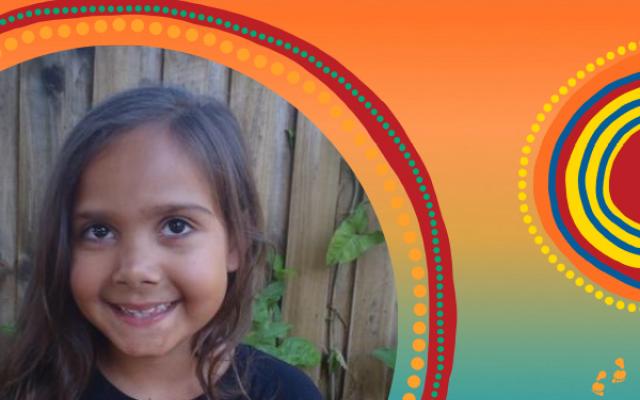
pictures of young PHaMs participant with the artwork

One young PHaMs participant has used the artwork to develop her own painting as part of her healing journey. She plans to make a family picture album as well.

picture artwork

[ top ]

Personal Helpers and Mentors – Round 4

$10.9 million (until 30 June 2012) has been allocated for seven new PHaMs remote servicing sites under PHaMs Round 4.

The seven sites include:

  • Western AustraliaNarrogin (including Katanning) and Warburton
  • QueenslandDoomadgee (including Mornington Island), Yarrabah and Aurukun
  • Northern TerritoryTennant Creek/Elliott and Papunya (West Alice Springs Region).

$13.8 million (until 30 June 2012) has been allocated for 10 new sites that will provide PHaMs services focussing on particularly vulnerable people experiencing mental illness such as:

  • those who are homeless or at risk of homelessness
  • humanitarian entrants, and
  • Indigenous Australians.

A restricted selection process to select providers to deliver services in these new sites commenced on 7 January 2010 and closed on 15 February 2010. Successful service providers were notified in April 2010.

A further $23.07 million until 30 June 2012 has been allocated for 17 current PHaMs sites that are at or nearing capacity and have high concentrations of people from these identified vulnerable groups.

[ top ]

Round 4 Remote Sites

Seven new remote sites were identified as part of the Round 4 funding and selected providers were invited to submit an application. Site and community boundaries will be defined with successful providers during the negotiation of the Funding Agreement. The seven remote sites and the successful providers for those sites are:

Northern Territory

  1. Tennant Creek and Elliott – Catholic Church of the Diocese of Darwin Property Trust (CatholicCare NT)
  2. Papunya* – West Alice Springs region

Queensland

  1. Aurukun – Royal Flying Doctor Service
  2. Doomadgee (including Mornington Island) – Royal Flying Doctor Service
  3. Yarrabah – Worklink Employment Support Groups Inc

Western Australia

  1. Narrogin (including Katanning) – Kaata-Koorliny Employment and Enterprise Development Aboriginal Corporation
  2. Warburton – Ngaanyatjarra Health Service

* Due to market failure in the Papunya site FaHCSIA has commenced consultations to investigate alternative options to deliver PHaMs services in that site.

[ top ]

Personal Helpers and Mentors – Round 4 Metro and Non Metro services

Ten new sites were identified as part of the Round 4 Metro and Non Metro funding to provide services with a focus on specific vulnerable groups. FaHCSIA undertook a restricted selection process and invited selected providers to submit an application.

The ten metropolitan and non metropolitan service sites, successful service providers and their target vulnerable groups are:

New South Wales

  1. Greater Newcastle (Indigenous Australians) – New Horizons Enterprises Limited [metro site]
  2. Fairfield-Liverpool (Humanitarian entrants) – New Horizons Enterprises Limited [metro site]
  3. Bankstown-Canada Bay, Ashfield and Leichardt (Indigenous Australians, Humanitarian entrants and Homelessness) – Aftercare [metro site]

Queensland

  1. Toowoomba – Darling Downs Shared Care Incorporated

South Australia

  1. Riverland (Homelessness) – Life Without Barriers [non-metro site]
  2. Adelaide Enfield/Blair Athol (Inner Northern Metro) (Humanitarian entrants)– Mental Illness Fellowship of South Australia [metro site]

[ top ]

Tasmania

  1. Greater Hobart (Indigenous Australians, Humanitarian entrants and Homelessness) – Anglicare Tasmania Inc [metro site]

Victoria

  1. Mildura (Loddon-Mallee Region) (Homelessness) – Mallee Family Care Inc [non-metro site]
  2. Greater Dandenong (Homelessness) – ARAFEMI Victoria Incorporated [metro site]

Western Australia

  1. Bunbury, Vasse (Indigenous Australians, Humanitarian entrants and Homelessness) – Community First International Limited [non-metro site]

[ top ]

© Commonwealth of Australia 2009 : Last modified 14/07/2011 3:33 PM