Are you worrying about someone?
Are you worrying about someone because they are:
- having a hard time
- worrying too much
- shutting others out
- not acting like themselves
- stressing out too much
- being ‘spaced out’
- imagining things that are not real
- overly sad, or
- really afraid and mistrusting.
This can be very difficult for them and their family.
A Personal Helpers and Mentors (PHaMs) worker can help them with:
- having someone to talk to
- getting their family life and relationships back on track
- going to the doctor, clinic or hospital
- talking to Centrelink, legal aid or housing
- banking and money story
- looking after their house
- being involved in the community, and
- much more.
PHaMs won’t judge them because they can’t do some things or are not coping.
No shame
There’s no shame in coming to see us. We know what it is to have a hard time. Many PHaMs workers have also had hard times in the past. We know that people can get better, and grow healthy and strong, even if they have had a hard time.
Respect
PHaMs workers are friendly and will:
- be helpful, respectful and understanding
- take the time to get to know a person and their individual needs
- talk to people about what they want to do
- work the way the person wants and at their pace.
Safe place
People can meet the local PHaMS worker in a place where they feel comfortable and safe. It’s their choice what they do. They are not alone and family can be involved.
Joining PHaMs
Talk to your local PHaMs worker. Their details can be found below. They will ask some questions about what is happening in their life to work out if they can help. They don’t need to have been to a doctor about what is happening in their life to join PHaMs.
Where to find your local PHaMs worker
There are PHaMs service providers in cities and regional towns around Australia. PHaMs workers are also now located in remote Indigenous communities including Yuendumu (NT), Araukun (Qld) and Warburton (WA).
Check this list to locate a Personal Helpers and Mentors service provider near you.
PhaMs Remote Service Model
The mainstream PhaMs service has been operating in cities and towns around Australia since 2007. In order to provide servicing to communities in remote areas, in 2009 following consultations with communities FaHCSIA developed the PHaMs remote service model. While this model does not exclusively target Indigenous Australians, it has a strong focus on working with Indigenous Australians in remote communities.
The new remote service community development model recognises and promotes spiritual, cultural, mental and physical healing for Indigenous Australians living with mental illness in remote communities through:
- increasing understanding of mental illness
- building positive role models and strong relationships
- increasing community participation, integration and inclusion and
- promoting community strength and resilience.
The first PHaMs remote service site was established in Yuendumu, Northern Territory (three and a half hours drive from Alice Springs). There are ten more priority remote sites planned to help those most in need.
How is it different?
The model encourages the development of purposeful community-based activities that enable social inclusion and strengthening of family and community relationships for the PHaMs participant as well as the development of the community as a whole.
The new model is designed to:
- Recognise that there is a broader more holistic view of mental health in Indigenous communities
- Recognise and incorporate more traditional cultural healing practices
- Allow access for people younger than 16 and encompass the whole family not just and individual
- Develop and/or utilise broader community activities to support healing in the absence of more traditional infrastructure and services that would support recovery in mainstream/urban locations
- Recognise and respect the role and responsibilities of family and the community rather than just having an individual focus
- Support the development of local workers over time for longer term sustainability and greater cultural competency and understanding
- Address differences between Indigenous and mainstream communities (eg younger, faster growing populations, higher youth suicide rates)
- Allow sufficient time for relationships and trust to develop in the community before expecting outputs (eg clients through door).
The new model recognises:
- That it takes longer to achieve results in remote Indigenous communities because providers will need to develop strong relationships within the community that are based on trust before they can begin to provide a service.
- There will be many barriers to overcome that mainstream sites do not experience such as lack of basic infrastructure and services, sometimes there will be nowhere for workers to live or operate from, travel distances are far greater, there may be increased operating costs, language and cultural barriers.
- That there is a much higher level of disadvantage in remote Indigenous communities that needs to be recognised and addressed or providers won’t be successful at what they do.
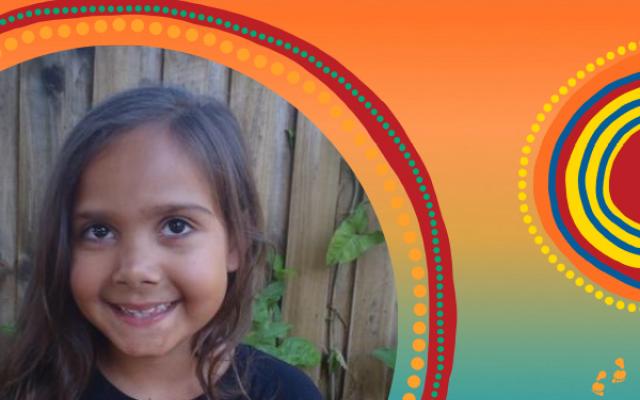
Creating the Indigenous PHaMs brochures
As part of this new remote servicing model, FaHCSIA partnered with a designer, photographer, the Yuendumu PHaMs team (Warra-Warra Kanyi) and the Warlpiri people of the Yuendumu community to develop promotional products that better reflected the remote Indigenous communities PHaMs would now be operating in.
A workshop was held in the community and, over a week, the local community members designed the concept that would represent PHaMs and what mental illness means in an Indigenous context. The local landscape was photographed and incorporated into the background and border. The community was given final sign-off of the cultural appropriateness of the products before they could be used.
See the final products of this creative communications approach in the attached brochures: